

Introduction
Mindful living means being fully aware of your choices, habits, and lifestyle. One of the most important parts of mindful living is nutrition, because the food you eat directly affects your physical health, emotional balance, and mental clarity.
Good nutrition supports a calm mind, steady energy, and a balanced body, all of which are essential for mindfulness. In this article, we will explore how nutrition and mindful living are connected, why eating habits matter, and practical steps you can take to improve both nutrition and mindfulness in your daily life.
1. Understanding the Link Between Nutrition and Mindfulness
Nutrition and mindfulness are deeply connected. The food you eat has a direct effect on how you feel, think, and behave. A diet full of processed foods and sugar can cause mood swings, fatigue, and poor concentration, making it harder to live mindfully.
On the other hand, a diet rich in whole foods like vegetables, fruits, lean proteins, and whole grains supports better focus, energy, and emotional balance. Mindful living encourages us to be present while eating, noticing taste, texture, and hunger signals. When we combine nutrition and mindfulness, we create a lifestyle that benefits both body and mind.
2. The Role of Nutrition in Physical Wellness
Physical wellness is the base of mindful living, and nutrition is its foundation. The right nutrients help maintain a healthy weight, prevent chronic diseases, and keep your body energized. Poor eating habits can lead to fatigue, obesity, diabetes, and heart issues, which make it difficult to live with awareness.
Eating balanced meals, drinking enough water, and avoiding excess processed foods are simple but powerful steps toward mindful living. By fueling your body properly, you create the energy and strength needed to stay present in daily activities.
3. Nutrition and Mental Clarity
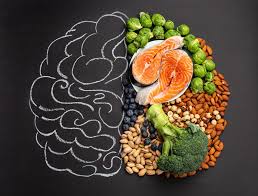
What you eat has a strong impact on your brain. Foods rich in omega-3 fatty acids, antioxidants, and vitamins help improve memory, focus, and learning ability. On the other hand, high sugar intake and junk food can cause brain fog, poor attention, and mood swings.
Mindful living requires mental clarity, and that can only be achieved with proper nutrition. Including nuts, seeds, fish, green leafy vegetables, and whole grains in your diet supports brain health and makes it easier to practice mindfulness daily.
4. Emotional Balance Through Food
Nutrition also influences emotions. Low-quality diets often lead to increased stress, anxiety, and even depression. Foods like dark chocolate, bananas, berries, and green tea can improve mood and reduce stress.
Eating meals slowly and mindfully helps you connect with your emotions, making you aware of how food affects your feelings. Instead of emotional eating (eating due to stress or sadness), mindful nutrition encourages eating for nourishment, which builds emotional stability and balance.
5. Practicing Mindful Eating
Mindful eating is the practice of paying full attention to the experience of eating. Instead of rushing meals, mindful eaters focus on taste, texture, and hunger signals. This helps prevent overeating and improves digestion. Mindful eating is not about dieting but about making better food choices and enjoying meals without guilt. To practice mindful eating:
- Eat slowly without distractions (no phone or TV).
- Chew thoroughly and enjoy the flavors.
- Stop eating when you feel satisfied, not full.
- Appreciate where your food comes from.
This practice turns meals into moments of awareness and gratitude.
6. Nutrition for Stress Reduction

Stress is one of the biggest challenges to mindful living, and poor nutrition can make it worse. Too much caffeine, sugar, or processed food increases stress levels, while a balanced diet with whole foods helps the body stay calm. Foods rich in magnesium (like spinach, almonds, and avocados) help relax muscles, while herbal teas like chamomile support relaxation. By choosing the right nutrition, you can reduce stress naturally, making it easier to stay mindful in daily life.
7. Hydration and Mindful Living
Water plays a key role in nutrition and mindfulness. Dehydration causes headaches, tiredness, and poor focus, which makes mindful living difficult. Drinking enough water supports brain function, energy, and emotional balance. Practicing mindful hydration means paying attention to when you are thirsty and appreciating the refreshing experience of drinking water. Herbal teas, fresh fruit juices, and coconut water are also good mindful hydration choices.
8. Building a Mindful Nutrition Plan
Creating a mindful nutrition plan means designing meals that support both health and awareness. A good plan includes:
- Balanced meals: Include proteins, healthy fats, and complex carbs.
- Seasonal foods: Fresh fruits and vegetables are more nutritious and environmentally friendly.
- Portion control: Eat the right amount without overeating.
- Meal timing: Eat at regular times to balance energy levels.
- Moderation: Enjoy occasional treats but avoid extremes.
When you follow a mindful nutrition plan, you don’t just eat for survival—you eat for wellness and awareness.
9. Nutrition and Long-Term Mindful Living
Mindful living is not a short-term practice but a lifelong journey. Nutrition plays a huge role in this journey. Developing healthy eating habits over time ensures better physical health, stronger emotional balance, and improved focus.
Instead of following strict diets, mindful living encourages a flexible and sustainable way of eating. Long-term mindful nutrition means listening to your body, eating when hungry, choosing nourishing foods, and stopping when satisfied. This approach builds a healthy relationship with food and supports overall well-being.
10. The Role of Nutrition in Sleep and Mindful Rest
Good sleep is essential for mindful living, and nutrition has a direct impact on sleep quality. Heavy meals, caffeine, or processed foods close to bedtime can disturb rest, while light and balanced meals support deep sleep. Foods like warm milk, nuts, bananas, and herbal teas promote relaxation and better sleep. Practicing mindful eating before bedtime helps you rest peacefully and wake up refreshed.
11. Cultural and Traditional Nutrition in Mindful Living
Different cultures have unique food traditions that promote mindful eating. For example, Japanese culture emphasizes slow eating and small portions, while Mediterranean diets focus on fresh vegetables, olive oil, and shared meals. Learning from cultural nutrition practices helps us reconnect with food, appreciate traditions, and eat more mindfully. Adopting these habits supports both health and awareness in daily life.
12. Overcoming Challenges in Practicing Mindful Nutrition
Many people struggle with mindful nutrition because of busy schedules, emotional eating, or dependence on fast food. The key is to start small—replace one unhealthy meal with a healthier option, plan weekly groceries, or practice eating without distractions once a day. Over time, these small changes become habits. Overcoming challenges with patience and consistency is the true path to mindful living through nutrition.
Conclusion
Nutrition and mindful living go hand in hand. The food choices you make every day shape your health, mood, energy, and awareness. Eating with mindfulness improves digestion, reduces stress, and builds a positive relationship with food.
By focusing on balanced meals, mindful eating habits, and proper hydration, you can support both body and mind. Mindful nutrition is not about perfection but about awareness—making small, meaningful choices that lead to a healthier, happier, and more mindful life.
Read More: